Physical Address
304 North Cardinal St.
Dorchester Center, MA 02124
Physical Address
304 North Cardinal St.
Dorchester Center, MA 02124

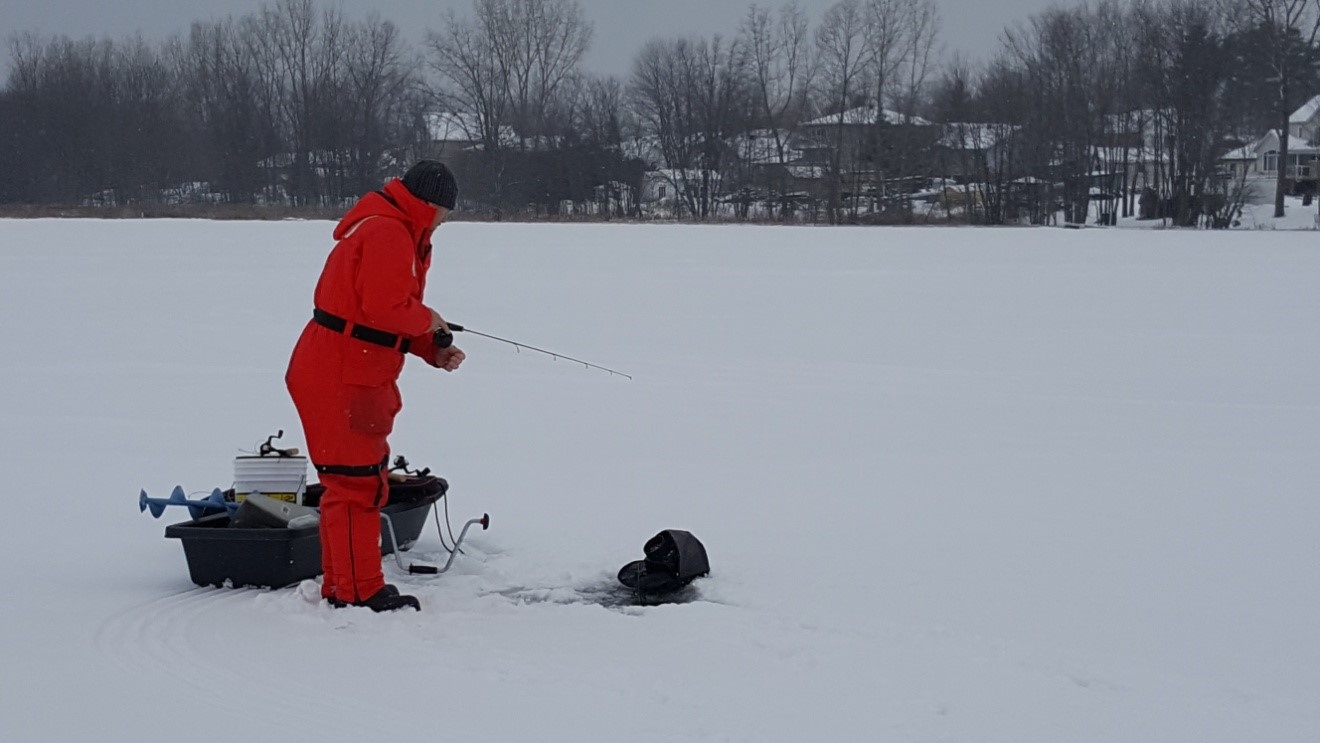
Complete guide to ice fishing in Michigan for beginners. Budget gear recommendations ($150-$400), 15 accessible spots, license requirements, and safety tips for your first trip.
Michigan’s reputation as an ice fishing paradise isn’t accidental. With over 11,000 inland lakes and a generous four-month winter season stretching from late December through March, the Great Lakes State offers first-time ice anglers more opportunities than nearly anywhere else in the country. But here’s what most beginners face: overwhelming gear choices, uncertainty about safe locations, and confusion about licensing requirements.
This guide cuts through that complexity. Whether you’re a complete novice or someone who’s fished in warmer months but never ventured onto frozen water, you’ll find practical answers about what to know about ice fishing in Michigan, from budget-friendly gear packages starting at just $150 to fifteen proven spots perfect for learning the sport. We’ll also walk you through Michigan’s 2026 fishing license requirements—a critical first step that many resources overlook but one we specialize in at TeenFish.
By the end of this guide, you’ll have a clear roadmap: the exact gear you need, where to fish based on your location, how to stay safe, and actionable steps to get on the ice with confidence this season.
Michigan stands out as one of the most beginner-friendly ice fishing destinations in North America, and the statistics back this up. The extended season from late December through March gives newcomers a lengthy window to learn without the pressure of a short timeline. Unlike states where ice conditions are unpredictable or fleeting, Michigan’s geography provides consistent hard water across diverse regions.
The target species here are forgiving for beginners. Bluegill, yellow perch, and crappie—Michigan’s ice fishing staples—are aggressive biters that don’t require advanced techniques. These panfish provide frequent action that keeps first-timers engaged rather than discouraged. You’re likely to catch fish on your initial outing, which is crucial for building enthusiasm.
Infrastructure matters tremendously when you’re starting out. Michigan boasts an extensive network of bait shops, gear rental locations, and professional guide services concentrated around popular fishing areas. Many lakeside communities have embraced ice fishing tourism, meaning you’ll find heated shanty rentals, on-ice concessions, and even shuttle services at major destinations. This support system dramatically lowers the barrier to entry compared to remote fishing locations.
When compared to neighboring ice fishing cultures in Wisconsin and Minnesota, Michigan offers a slightly more accessible entry point. While those states have deep ice fishing traditions, Michigan’s proximity to major urban centers like Detroit, Grand Rapids, and Lansing means you can access quality fishing within an hour’s drive of where most residents live. The combination of urban accessibility and wilderness experience creates an ideal testing ground for beginners.
Before you drill your first hole, understanding Michigan’s fishing license requirements is essential—and it’s simpler than you might think. All anglers age 17 and older must possess a valid Michigan fishing license when ice fishing. The good news for families: anyone under 17 can fish without a license, making this an affordable family activity if you’re introducing kids to the sport.
For the 2026 season, Michigan fishing licenses remain valid from March 1, 2025, through March 31, 2026. Here’s the current pricing structure:
Residency in Michigan is defined as living in the state for at least six consecutive months. If you’re an out-of-state visitor planning a weekend ice fishing trip, the daily license option provides excellent value—you can fish for two days for just $20 rather than purchasing the full non-resident license.
Yes, all anglers regardless of residency must have a Michigan license when fishing Michigan waters. However, the state recognizes that many visitors come specifically for ice fishing tourism. The daily license option addresses this perfectly. You’ll need to provide a valid driver’s license or state ID when purchasing, and the process takes less than five minutes online.
One strategic consideration: if you plan to fish in multiple Great Lakes states this winter, compare reciprocal agreements. Michigan does not have universal reciprocity, so budget accordingly if you’re planning a regional ice fishing tour.
Purchasing your Michigan fishing license has never been easier. Visit the Michigan DNR’s online licensing portal at michigan.gov/dnr or download the Michigan DNR Hunt Fish mobile app. You’ll need:
The digital license arrives immediately via email and is legally valid when displayed on your smartphone. Print a backup copy if you’re concerned about phone battery life during cold weather outings. Many bait shops and sporting goods retailers also sell licenses in person if you prefer face-to-face transactions.
Important exemptions exist for specific groups. Active-duty military personnel stationed in Michigan, disabled veterans with qualifying documentation, and legally blind Michigan residents can fish without a license. Seniors 65 and older receive significantly discounted rates but still require a license—the $11 fee is among the lowest in the country.
The most common reason people delay trying ice fishing is gear anxiety—the belief that you need hundreds of dollars in specialized equipment before your first trip. Let’s dispel that myth with three realistic budget tiers that account for Michigan’s specific climate challenges.
You can absolutely ice fish in Michigan for under $200 initial investment. This setup won’t win style points, but it’s completely functional for testing whether ice fishing is your sport before committing to expensive gear.
Core Equipment:
Total: $150-$170
This budget assumes you have warm winter clothing already. Layer moisture-wicking base layers under insulated outerwear you’d wear for winter hiking or snowmobiling.
Once you’ve confirmed ice fishing appeals to you, these upgrades dramatically improve comfort and success rates—especially for Michigan’s variable weather conditions.
Additional Investments:
Total Additional: $370-$560 (bringing your cumulative investment to $520-$730)
Michigan’s ice fishing season spans a 40-degree temperature range, from January deep freezes around -10°F to March warm spells near 30°F. Your clothing system must adapt.
Follow the three-layer principle:
Your extremities demand special attention. Insulated gloves with convertible mitten covers let you handle fishing line when needed. Chemical hand warmers tucked in glove pockets extend fishing time dramatically. A balaclava or neck gaiter protects your face from windburn during the walk to your fishing spot.
Don’t underestimate boot importance. Cheap boots fail in two ways: inadequate insulation leaves your feet numb, and poor traction causes dangerous slips on glare ice. Budget at least $80 for quality ice fishing boots—your feet will thank you after hour three.
Safety gear isn’t optional, regardless of your budget tier. Michigan averages several ice fishing fatalities annually, almost always involving anglers who took shortcuts on safety equipment.
Mandatory Safety Items:
Total safety investment: $80-$120. This isn’t an area to cut corners—it’s insurance that pays dividends in peace of mind.
First-season anglers face a key decision: should you buy gear or rent for your initial outings? Here’s the calculation:
Rent if:
Buy if:
Many Michigan bait shops and marinas offer daily gear rentals: $20-$35 for a basic rod/reel setup, $40-$60 for a portable shelter. Some ice fishing guide services include all gear in their package price, making a guided first trip an efficient way to try everything before investing.
Ice safety represents the most critical knowledge for any ice angler, yet beginners often underestimate the variables that affect ice strength. Michigan’s Department of Natural Resources provides clear guidelines, but understanding the nuances keeps you safe.
The official minimums are:
These measurements assume clear, solid blue ice—the strongest type. White opaque ice contains air pockets and requires 50% greater thickness for equivalent safety. Slushy or gray ice, common during thaw-freeze cycles, should be avoided entirely regardless of thickness.
Never assume ice thickness is uniform across a lake. Current, springs, and varying depths create weak spots that may be just feet from safe ice. This is why testing as you go remains essential even when fishing popular spots.
Your spud bar is your primary safety tool. As you walk onto a frozen lake, strike the ice ahead of you with firm downward blows. Solid ice produces a ringing “thud.” If you hear cracking or see water seeping around the impact point, retreat immediately using the path you entered.
Visual indicators provide additional clues:
Pressure cracks—linear breaks in the ice—deserve special caution. These form when expanding ice sheets collide, creating unstable zones that may be weaker than surrounding areas. Cross them perpendicular to the crack direction, testing every step, never parallel where you could fall into an extended weak zone.
Michigan’s ice season progresses predictably, though timing varies between the Upper Peninsula and southern Lower Peninsula.
December – Early Ice:
Northern lakes freeze first, often by mid-December. Upper Peninsula lakes may be fishable by Thanksgiving in cold years. This is the most dangerous period—ice is forming but hasn’t reached safe thickness uniformly. Avoid entirely until local bait shops confirm 4+ inches.
January-February – Peak Season:
The safest, most stable ice occurs during these months. Sustained cold creates thick, clear ice statewide. Even during this prime window, always test ice in new areas and after temperature fluctuations.
March – Late Ice:
Lengthening days and warming temperatures destabilize ice. Morning outings on refrozen ice are safer than afternoon trips when sun has weakened the surface. Watch for “candling”—ice that appears thick but has vertical cracks throughout, creating a honeycomb structure with minimal strength.
Regional variations matter significantly. Upper Peninsula lakes may offer safe ice into mid-April, while southern Michigan lakes like Kent Lake or Belleville Lake may become unsafe by mid-March. Always check current ice reports from local sources.
Despite precautions, breakthrough accidents occur. Your response in the first 60 seconds determines survival.
Immediate Actions:
If you witness someone else break through, do not approach the hole. Throw your flotation rope from a distance, lying flat to distribute your weight if you must get closer. Call 911 immediately—professional rescuers have equipment for ice rescue that you don’t.
Certain areas are always higher risk:
Areas with bass fishing structure—submerged timber, weed beds, drop-offs—can create current patterns that thin ice. Ironically, the best summer fishing spots may be winter danger zones.
When in doubt, stay off. No fish is worth risking your life. If locals aren’t fishing an area you’re considering, there’s usually a reason. Ask at bait shops for current conditions—they track ice quality daily during the season.
Choosing your first ice fishing destination dramatically impacts your experience. These fifteen locations excel for beginners based on four criteria: consistent fish populations, easy access with parking, safety features like gradual depths and stable ice, and nearby amenities including bait shops and warming areas.
With fifteen strong options, selection depends on your priorities:
Closest to Home: Minimizes drive time for short exploratory trips. Check the closest lake to your Michigan location.
Maximum Support Infrastructure: Kent Lake (Kensington Metropark) or Houghton Lake offer the most beginner support—rentals, guides, ice condition monitoring.
Best Fish Catching Odds: Houghton Lake bluegill/crappie or Lake St. Clair perch offer highest catch rates for absolute beginners.
Scenic Experience: Torch Lake, Munising Bay, or Higgins Lake provide postcard-worthy ice fishing.
For your very first outing, I recommend Kent Lake (Kensington Metropark) if you’re in Southeast Michigan or Higgins Lake if you’re in Northern Lower Peninsula. Both offer excellent panfish action, strong safety infrastructure, and the amenities that make a first trip comfortable rather than stressful.
Catching fish through the ice requires different tactics than open-water fishing. Michigan’s most common ice species each respond to specific presentations—master these basics and you’ll rarely get skunked.
Bluegill are the perfect beginner species. They school heavily, bite aggressively, and inhabit shallow, safe water.
Depth: Target 6-12 feet near weed beds, fallen timber, or dock pilings. Bluegill relate to structure even under ice.
Lures: Tiny jigs (1/32 to 1/16 oz) tipped with waxworms or mousies (fly larvae). Tungsten jigs in chartreuse, pink, or glow colors work exceptionally well. Drop-style lures like teardrop jigs or small spoons also produce.
Technique: Bluegill respond to active jigging. Lower your lure to bottom, raise it 6-12 inches, then use quick upward snaps followed by pauses. Bluegill often strike during the pause as the lure settles. If you feel resistance or see your line move sideways, set the hook with a firm upward motion.
Pro Tip: Downsize if bluegill are biting but not hooking. Switch from a #10 hook to a #12 or even #14. Michigan bluegill can be finicky about lure size, especially in clear water.
Yellow perch are Michigan ice fishing icons. They school tightly and feed aggressively, making them excellent targets when you locate them.
Depth: Typically 15-25 feet, though this varies by lake. Perch often suspend mid-depth over deeper water or hold near bottom transitions.
Lures: Small jigging spoons (1/8 to 1/4 oz) like Swedish Pimples, Kastmasters, or Crippled Herrings. Tip with minnow heads, fish eyes (seriously—perch love them), or perch belly meat. Perch are cannibalistic; using perch meat from your first catch often triggers more bites.
Technique: Perch respond to aggressive jigging. Sharp upward snaps followed by controlled drops imitate fleeing baitfish. Vary your jigging cadence—sometimes fast and erratic, sometimes slow and methodical—until you determine what triggers bites that day.
Pro Tip: When you catch one perch, immediately drop back down. Perch school densely, and where there’s one, there are usually dozens. Work the school until bites stop, then move to find another pod.
Crappie fishing through ice challenges beginners because these fish suspend at varying depths rather than holding on bottom.
Depth: Anywhere from 8-30 feet, often suspended 5-10 feet above bottom. A depth finder transforms crappie fishing from guesswork to targeted hunting.
Lures: Small minnows on plain hooks, tiny jigs (1/16 to 1/8 oz) with plastics, or small spoons. Crappie have excellent eyesight; natural presentations work best in clear water.
Technique: Once you mark crappie on your depth finder, position your lure at their level. Use minimal jigging—subtle lifts and drops. Crappie often require finesse rather than aggression. If you’re marking fish but not catching, try dead-sticking: lower your lure to the marked depth and simply hold it still. Sometimes crappie want zero movement.
Pro Tip: Crappie often move throughout the day. Morning fish might be at 15 feet; afternoon fish at 25 feet. Keep searching vertically if you’re marking fish but not catching.
Regardless of species, certain jigging principles apply universally:
The Lift-Drop Cadence: Raise your rod tip sharply 12-18 inches, then lower it at varying speeds. Fish often strike as the lure drops, so maintain light tension to feel bites during descent.
Dead-Sticking: Periodically hold your lure completely still for 20-30 seconds. Pressured fish or inactive fish sometimes need motionless presentations to commit.
Vary Your Approach: If standard jigging isn’t producing, experiment. Try faster or slower rhythms, higher or lower lifts, or longer pauses. Fish behavior changes based on weather, time of day, and pressure from other anglers.
Watch Your Line: In shallow water for bluegill, you can often see bites visually. Your line will twitch, move sideways, or go slack. Strike immediately when you see movement—panfish can spit lures quickly.
Great Lakes-connected waters (Lake St. Clair, bays of the main lakes) have different baitfish populations than inland lakes. Alewives, gobies, and smelt create different forage bases. When fishing these waters, use larger profile lures that imitate these baitfish—Swedish Pimples in 1/4 oz or Kastmaster spoons—rather than the tiny presentations you’d use on inland lakes.
Water clarity matters significantly. Michigan’s clear northern lakes (Torch, Higgins, Charlevoix) require lighter lines (2-4 lb test), smaller lures, and more natural colors. Stained southern Michigan waters allow heavier lines (6-8 lb) and brighter, more visible lures.
Timing your ice fishing trips dramatically affects both safety and success. Michigan’s four-month season offers excellent fishing, but understanding peak periods helps you plan optimally.
The sweet spot for Michigan ice fishing runs from mid-January through mid-February. Ice has reached maximum thickness (often 15-24 inches on inland lakes), providing excellent safety margins. Fish remain active, feeding heavily to maintain body condition through winter. Weather is cold but stable, creating consistent conditions.
Late December and early January can be productive but require extra caution as ice is still building. March offers excellent fishing, especially early month, but deteriorating ice demands constant vigilance. By late March, most lower Michigan lakes are unsafe regardless of thickness due to “candling” and sun-weakened structure.
Like summer fishing, ice fishing peaks during low-light periods. The hour before sunrise and the hour after sunset typically produce the most aggressive bites. Bluegill, perch, and crappie all feed most actively during these transitional periods.
However, ice fishing’s advantage is midday remains viable, especially when fishing from heated shelters. While catch rates may slow between 11 AM and 2 PM, fish continue biting—just less aggressively. For beginners still mastering techniques, midday fishing in a comfortable shelter beats freezing through a dawn session.
Barometric pressure influences fish behavior significantly. A falling barometer (approaching storm) often triggers feeding frenzies as fish sense weather changes. Conversely, post-frontal high pressure can shut down bites for 24-48 hours as fish become lethargic.
Stable weather patterns—three or more days of consistent conditions—generally produce steady fishing. Dramatic swings (warm spell followed by deep freeze, or vice versa) can disrupt fishing temporarily as fish adjust.
Overcast days often outproduce bluebird sunny days, especially for light-sensitive species like crappie and walleye. Cloud cover reduces underwater light penetration, making fish more comfortable and active at shallower depths.
Michigan DNR designates two weekends annually when all fishing regulations apply except license requirements—anyone can fish without purchasing a license. For 2026, Free Fishing Weekends are typically held in February and June (exact 2026 dates should be confirmed on the Michigan DNR website closer to the season).
These weekends provide perfect opportunities for absolute beginners to try ice fishing without license investment, or for families to introduce children to the sport. Expect popular lakes to be busier than normal, but the atmosphere is festive and welcoming.
Early Ice (December-early January): Fish are hungry after fall transitions, making for aggressive feeding. However, ice is thin and dangerous. Only experienced anglers should venture out during this period, and even then, with extreme caution.
Mid Ice (January-February): Prime time. Stable ice, active fish, and the longest days of the season. This is when beginners should concentrate their efforts.
Late Ice (March): Fish feed heavily as they prepare for spawn, potentially creating the best fishing of the season. But ice deteriorates rapidly, especially during sunny afternoons. Fish mornings only, stay near shore, and check ice thickness obsessively. Many experienced anglers consider late ice not worth the risk despite good fishing.
Plan your first trips for January or February during stable weather. Check the extended forecast and choose multi-day periods of consistent cold (highs in the 20s, lows in the teens). Avoid immediately after warm spells that can weaken ice.
First-time ice anglers face a strategic decision: hire a guide for initial trips or tackle ice fishing independently from day one. Both approaches have merits, and understanding the tradeoffs helps you choose wisely.
Professional ice fishing guides provide comprehensive first-trip experiences. Guides supply all equipment—you literally show up with warm clothes and they handle everything else. This eliminates gear uncertainty and large upfront investments.
Safety oversight is arguably the most valuable guided service. Guides know their lakes intimately: where ice is safe, where danger zones exist, how weather affects conditions. They test ice ahead of time, choose safe areas, and monitor conditions constantly. For beginners concerned about ice safety (and you should be), this professional oversight provides tremendous peace of mind.
Fish-finding is where guides earn their fee. Rather than drilling holes randomly, guides understand fish patterns, seasonal locations, and successful techniques. You’ll likely catch fish on a guided trip—guides’ reputations depend on client success. This positive first experience encourages continued participation rather than frustration-based dropout.
Perhaps most valuably, guides teach. A quality guide explains what they’re doing and why: lure selection, jigging cadences, depth choices, and fish handling. This education accelerates your learning curve dramatically compared to trial-and-error independent learning.
Michigan ice fishing guides typically charge $150-$300 per person for 4-6 hour trips. Group rates often reduce per-person costs—a family of four might pay $600-$800 total rather than $1,200 individually. Half-day trips (3-4 hours) run $100-$200 per person.
Premium services targeting trophy fish (large pike, lake trout) or Great Lakes fishing command higher rates: $300-$500 per person. These specialized trips often last 6-8 hours and target advanced anglers.
Many guides offer youth discounts or family packages. Always ask about pricing structures—some guides charge per person, others per group up to a maximum number of anglers.
I recommend guides for your first 1-2 ice fishing trips, particularly if you’re risk-averse about safety or uncertain about gear investments. Consider a guide when:
After 1-2 guided trips, you’ll have baseline knowledge to attempt DIY fishing: you’ve seen proper techniques, understand safety protocols, and know what success looks like.
Before attempting unguided ice fishing, honestly assess your readiness:
If you can check all boxes, DIY fishing becomes reasonable. If multiple items are unchecked, invest in a guided trip first or address the gaps before heading out independently.
Southeast Michigan (Lake St. Clair area):
Traverse City/Northern Lower:
Houghton Lake:
Upper Peninsula:
Book early for peak season (January-February), especially for weekends. Many guides schedule 4-6 weeks in advance during prime periods. Ask potential guides about their experience level, equipment provided, target species, and success rates. A quality guide will happily answer detailed questions—this is a safety-critical service, not just entertainment.
Ice fishing has a social component that beginners often overlook. Local resources provide not just equipment and bait, but also real-time fishing intelligence, safety updates, and community connection.
Bait shops are information hubs, not just retail locations. Staff track ice conditions daily, hear fishing reports from returning customers, and provide hyperlocal intel about what’s biting where. Visit bait shops even if you don’t need supplies—the 10-minute conversation often determines your day’s success.
Southeast Michigan:
West Michigan:
Northern Lower Peninsula:
Upper Peninsula:
Call ahead to confirm winter hours—some shops extend hours during peak ice season, others reduce them. Ask specifically about ice conditions when you call; most shops post daily updates or can provide current thickness reports.
If you’re testing ice fishing before buying gear, rental options abound:
Frank’s Great Outdoors (Linwood and other locations): Rents augers, shelters, heaters, and complete rod/reel setups. Daily rates approximately $20-$60 depending on equipment.
Gander Outdoors: National chain with Michigan locations offering ice fishing gear rentals during winter.
Local Marinas: Many marinas near popular ice fishing lakes rent equipment seasonally. Kent Lake (Kensington Metropark), for example, offers rentals through park concessions.
Ice Shanty Rental Services: Houghton Lake, Lake St. Clair, and other major destinations have businesses that rent fully-equipped shanties by the day or week. These include shelter, heater, and often basic fishing gear—you bring food, drinks, and licenses.
Rental rates vary but budget $20-$35 for rod/reel, $40-$60 for portable shelters, $50-$100 for augers. Package deals often reduce total costs.
Online communities provide trip planning resources and real-time fishing reports:
Use these resources to research lakes before trips, find fishing partners, and learn from experienced anglers’ recent reports. Be cautious about publicly posting specific hot spots in real-time—most ethical anglers report after trips conclude rather than broadcasting coordinates while actively fishing.
Michigan hosts numerous ice fishing tournaments throughout winter. Attending as a spectator provides learning opportunities without pressure. You’ll observe equipment setups, techniques, fish cleaning, and interact with serious anglers often happy to share knowledge.
Major tournaments occur on Houghton Lake, Lake Gogebic, Lake St. Clair, and various other waters. Check Michigan DNR tournament schedules or local chamber of commerce calendars for dates and locations.
Modern technology significantly enhances ice fishing safety and success:
Michigan DNR Hunt Fish App: Purchase/view licenses, access regulations, check stocking records, review lake maps. Free download; essential for every Michigan angler.
Navionics Boating/Fishing: Premium app ($15 annually) with exceptional lake depth maps. Shows contours, drop-offs, structure—invaluable for finding fish. Works offline after downloading maps.
Weather Apps: NOAA Weather, Weather Underground for hyperlocal forecasts. Ice fishing requires detailed weather planning; generic apps aren’t sufficient.
Fishing Forecast Apps: Fishbrain, Fishing Points provide bite time predictions based on solunar theory. Accuracy varies, but they’re useful trip planning tools.
Ice Thickness/Safety Apps: Some apps track user-reported ice thickness. Treat as supplementary information, never primary safety data.
Download mapping and weather apps before trips—cell service is spotty at remote lakes. Screenshot important information (maps, forecasts, regulations) as backup for offline use.
Transforming this guide’s information into action requires a systematic approach. This checklist consolidates the planning process into manageable steps.
Monday-Tuesday: License & Location
Wednesday-Thursday: Gear Inventory
Friday: Intelligence Gathering
Morning:
Afternoon:
Evening:
Parking:
Ice Assessment:**
Shelter Setup:
Starting Out:
Active Fishing:
Problem-Solving:
Leaving Your Spot:
Post-Trip:
Fish Handling (If Keeping Fish):
This systematic approach transforms ice fishing from overwhelming to manageable. Your first trip may not be flawless, but following this checklist ensures you’ll be safe, legal, and positioned for success.
Ice fishing carries inherent risks, but proper precautions make it statistically quite safe. Michigan DNR reports that most ice fishing accidents involve alcohol consumption, fishing alone, or ignoring ice thickness guidelines. When you test ice thickness with a spud bar, wear ice picks, fish with a partner, and stay sober, risks decrease dramatically. Thousands of Michiganders ice fish safely every winter by following basic safety protocols outlined in this guide.
The greatest danger is overconfidence. Experienced anglers sometimes take shortcuts because they’ve “always done it this way.” As a beginner, your cautious approach and careful planning actually make you safer than complacent veterans.
Budget $150-$200 for absolute minimum gear (hand auger, rod/reel combo, basic tackle, bucket, safety equipment) if you already own warm winter clothing. A more comfortable starter setup runs $300-$400 with additions like a portable shelter and heater.
Add your fishing license ($26 resident, $76 non-resident, $11 senior) and ongoing costs like bait ($10-$15 per trip) and gas. First season total costs typically range $200-$500 depending on your gear tier choice. Subsequent seasons only require license renewal and consumables since you own the gear.
Alternatively, rent gear for $50-$100 per trip to test the sport before investing, or book a fully-guided trip for $150-$300 that includes everything.
Michigan’s diverse waters support numerous ice fishing species:
Panfish (easiest for beginners):
Sport Fish (intermediate):
Cold-Water Species (advanced):
Start with panfish on your first trips. They’re abundant, bite readily, and build confidence before targeting more challenging species.
Yes, but with significant cautions. Protected bays of the Great Lakes—Grand Traverse Bay, Saginaw Bay, Munising Bay, Big Bay de Noc—freeze reliably and host excellent ice fishing. These areas offer the Great Lakes experience with reduced risk.
The main Great Lakes (Superior, Michigan, Huron) rarely freeze completely, and even when they do, ice is unstable due to currents, wind-driven pressure cracks, and wave action underneath. Only highly experienced anglers with specialized safety equipment should venture onto main lake ice, and even then only after extensive local consultation.
For beginners, stick to protected bays and inland lakes. The fishing is equally good with far less risk. If you’re determined to fish Great Lakes ice, hire a guide who knows current conditions intimately.
No. Michigan residents and visitors under age 17 can fish without a license under supervision of a properly licensed adult. This makes ice fishing an affordable family activity—one parent’s license ($26) covers the entire family if children are under 17.
Children must still follow all other fishing regulations: possession limits, size restrictions, and legal fishing methods. Parents are responsible for ensuring children fish legally and safely.
Michigan also offers reduced-price youth hunting/fishing combination licenses for families who want children to have their own license documentation, though it’s not required until age 17.
Fishing without a required license in Michigan is a misdemeanor punishable by fines ranging from $50 to $500 depending on circumstances and previous violations. Michigan Department of Natural Resources conservation officers patrol popular ice fishing areas regularly and check licenses.
Beyond fines, violations appear on your record and can affect future license applications. Repeat offenders face escalating penalties including potential equipment confiscation.
The risk-reward ratio makes this foolish: a $26 resident license costs far less than the minimum $50 fine, and a $10 daily license covers short trips. Purchase your license legally and fish with peace of mind.
Alcohol consumption while ice fishing is legal in Michigan (you’re not operating a vehicle), but it’s strongly discouraged from a safety perspective. Alcohol impairs judgment about ice conditions, reduces your body’s ability to sense and respond to cold, and significantly increases accident risk.
Many ice fishing fatalities involve alcohol. If you choose to drink, do so after fishing concludes, never while actively on the ice or making safety decisions. Never drink and operate snowmobiles or ATVs on ice—that’s illegal and extremely dangerous.
Michigan has open container laws for vehicles, so consuming alcohol in or near your parked vehicle can result in tickets even if you’re not driving. Keep celebrations for after you’re safely off the ice.
Several organizations offer ice fishing education:
Michigan DNR: Hosts winter skills workshops at state parks and recreation areas. Check their events calendar at michigan.gov/dnr for scheduled ice fishing clinics. These are often free or low-cost.
REI Stores: REI locations in Michigan occasionally offer ice fishing basics classes during winter months. These include equipment overviews and sometimes guided trips.
Local Guide Services: Many professional guides offer “ice fishing school” packages—extended trips focused on teaching rather than just catching. These cost more ($200-$400) but provide intensive hands-on education.
Community Education Programs: Parks departments in ice fishing communities (Houghton Lake, Roscommon, Traverse City areas) sometimes offer winter programs including ice fishing instruction.
YouTube and Online Resources: Free video tutorials cover every aspect of ice fishing. While not a substitute for in-person instruction, channels like “Ice Fishing University” and “712 Outdoors” offer excellent beginner content.
The combination of Michigan DNR’s online resources, YouTube tutorials, and one guided trip provides comprehensive education for most beginners without expensive formal classes.
Michigan’s 11,000+ inland lakes and extensive Great Lakes shoreline create one of North America’s premier ice fishing destinations, and the sport is far more accessible to beginners than most assume. You don’t need expensive gear—a $150-$200 starter kit gets you on the ice safely and effectively. You don’t need advanced skills—bluegill and perch bite readily for first-timers using simple techniques. You don’t need to venture onto dangerous ice—Michigan offers dozens of beginner-friendly lakes with excellent infrastructure and safety oversight.
Your path forward is straightforward:
Step 1: Get Licensed. Visit michigan.gov/dnr and purchase your fishing license in five minutes. Resident licenses are just $26; daily licenses are $10 if you’re testing the waters. This legal step protects you from fines and supports Michigan’s fisheries management.
Step 2: Choose Your Gear Tier. If you’re committed to trying ice fishing, invest in the $150-$200 bare minimum kit. If you’re uncertain, rent equipment for your first trip or book a fully-guided experience where gear is provided. Once you confirm you enjoy the sport, upgrade to the $300-$400 recommended starter setup.
Step 3: Pick Your Location. For Southeast Michigan residents, start at Kent Lake (Kensington Metropark) for its exceptional beginner infrastructure and consistent bluegill action. Northern Michigan anglers should target Higgins Lake for its stunning clarity and accessible panfish populations. Both locations offer the support and fish-catching opportunities that create positive first experiences.
Step 4: Consider a Guided First Trip. If you’re risk-averse about safety, uncertain about techniques, or want guaranteed success, invest $150-$300 in a professional guide for your initial outing. The education, safety oversight, and confidence you gain justify the cost.
Start small. Plan a half-day trip to a nearby accessible lake on a stable-weather January or February morning. Rent a single piece of equipment if you’re not ready to buy everything. Bring a friend or family member—ice fishing is safer and more enjoyable as a social activity. Focus on bluegill using the simple techniques outlined in this guide. Catch a few fish, stay warm in your shelter, and experience the unique satisfaction of harvesting food through two feet of ice.
Michigan’s ice fishing season peaks right now through February 2026. The ice is thick, the fish are biting, and you have all the information needed to get started safely and successfully. The hardest part is taking that first step onto frozen water—after that, you’ll understand why hundreds of thousands of Michiganders embrace ice fishing as their favorite winter tradition.
Ready to explore more fishing opportunities? Discover Michigan’s best shore fishing locations or Compare fishing license costs across all 50 states to plan your next angling adventure.