Physical Address
304 North Cardinal St.
Dorchester Center, MA 02124
Physical Address
304 North Cardinal St.
Dorchester Center, MA 02124

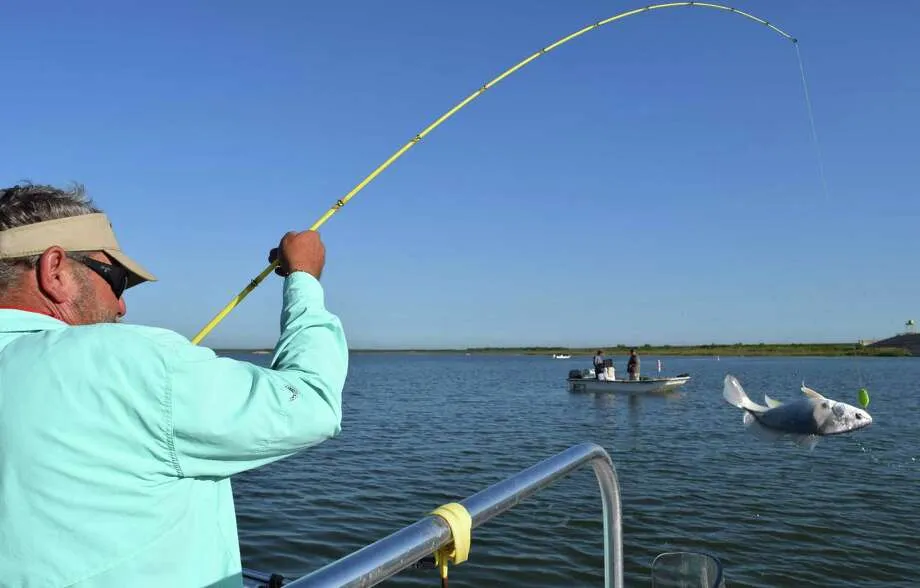
Learn how to submit your Michigan trophy catch for official recognition. Discover size requirements, submission steps, and how to claim your angler award. Get 2025 tips!
Michigan’s Master Angler program stands as one of the premier recognition systems for anglers across the United States, celebrating exceptional catches of 45+ fish species since 1973. Administered by the Michigan Department of Natural Resources (MDNR), this initiative serves as a prestigious benefit exclusively available to licensed Michigan anglers. The 2026 program features a collectible Cisco patch and requires valid fishing license credentials for all submissions, with applications accepted through January 10, 2027. Over 15,000 trophy catches have been documented since the program’s inception, generating valuable fishery management data while honoring Michigan’s $2.3 billion recreational fishing industry.
Before pursuing Master Angler recognition, all participants must obtain a valid Michigan fishing license. This mandatory credential serves as the gateway to trophy fish qualification and ensures compliance with state conservation regulations.
Michigan offers multiple license options for the 2026 season (valid April 1, 2026 through March 31, 2027):
| License Type | Resident | Nonresident |
|---|---|---|
| Annual All-Species | $26 | $76 |
| Senior (65+) | $11 | $35 |
| Daily License | $10 | $10 |
| 24-Hour License | $10 | $10 |
All licenses require a one-time DNR Sportcard ($1 fee) for first-time purchasers. Michigan residents aged 17-64 constitute the primary license purchaser demographic, while nonresident licenses provide out-of-state anglers with identical trophy program access. Exemptions apply for anglers under 17, active military personnel stationed in Michigan, and 100% disabled veterans with proper documentation.
The Michigan DNR offers three convenient purchasing channels:
For comprehensive purchasing instructions, fee breakdowns, and application procedures, consult our complete Michigan fishing license guide. License credentials must be active on the date of trophy catch—retroactive submissions with expired licenses face automatic disqualification.
To qualify for Michigan’s Master Angler recognition, anglers must satisfy four essential requirements:
The program accepts catch-and-release submissions, provided photographs clearly display the fish on a measuring board with visible inch markers. At least two images must capture distinctive markings such as fin patterns or natural scarring for species verification purposes.
Only fish caught through legal hook-and-line methods during designated open seasons qualify for Master Angler consideration. The MDNR enforces strict compliance standards:
Your Michigan fishing license must remain valid on the exact catch date. Anglers fishing during Michigan free fishing weekends (typically February and June) qualify for trophy submissions without purchasing a license, though must clearly document the free fishing weekend date in their application.
The Michigan DNR establishes minimum qualifying lengths for 45+ fish species across Great Lakes and inland water systems. These trophy fish requirements ensure sustainable populations while recognizing truly exceptional catches.
Premier trophy species from Michigan’s Great Lakes fishery command the highest angler pursuit:
| Species | Minimum Length | Measurement Notes |
|---|---|---|
| Muskellunge (Great Lakes) | 46 inches | Measured from jaw to tail tip (straight line) |
| Lake Sturgeon | 60 inches | Special endangered species handling protocols apply |
| Chinook Salmon | 39 inches | Peak catches occur August-October |
| Coho Salmon | 28 inches | Spring and fall migration runs |
| Lake Trout | 33 inches | Deep water trolling primary method |
| Walleye | 29 inches | Saginaw Bay accounts for 34% of trophy walleye |
| Steelhead | 29 inches | Year-round opportunities in tributary systems |
| Brown Trout | 27 inches | Au Sable River historically produces largest specimens |
Great Lakes species account for approximately 68% of all Michigan trophy submissions, with Lake St. Clair, Saginaw Bay, and northern Lake Michigan producing the highest concentration of qualifying catches.
Michigan’s 11,000+ inland lakes and river systems offer diverse trophy opportunities:
| Species | Minimum Length | Primary Habitat |
|---|---|---|
| Muskellunge (Northern) | 46 inches | Upper Peninsula lakes, Lake of the Woods |
| Northern Pike | 40 inches | Shallow vegetated bays |
| Largemouth Bass | 21 inches | Southern Michigan lakes |
| Smallmouth Bass | 20 inches | Rocky structure, river systems |
| Channel Catfish | 32 inches | Detroit River, Saginaw River |
| Flathead Catfish | 42 inches | Southern river systems |
| Yellow Perch | 14 inches | Primarily Great Lakes populations |
| Bluegill | 11 inches | Farm ponds, protected bays |
| Crappie (Black/White) | 15 inches | Spring spawning aggregations |
Complete species requirements and measurement protocols are detailed in the official MDNR Master Angler documentation. For species with special regulations or seasonal closures, verify current licensing requirements including trout/salmon stamps and Great Lakes endorsements.
The MDNR transitioned to an exclusively digital submission system in January 2025, reducing verification processing time from 12 weeks to 6-8 weeks. All 2026 trophy catches must be submitted through the online portal by January 10, 2027.
Proper documentation forms the foundation of successful Master Angler applications:
Required Photographs:
Technical Specifications:
For catch-and-release submissions, handle fish with wet hands or gloves to protect protective slime coating. Keep fish in water during measurement setup and limit air exposure to under 30 seconds to ensure survival after release.
The Michigan DNR employs a multi-stage verification protocol:
Applications undergo review by certified fishery biologists specializing in species identification. The DNR maintains the authority to request additional documentation or reject submissions showing measurement irregularities, improper handling, or insufficient photographic evidence.
Michigan’s Master Angler program delivers recognition and conservation impact extending far beyond individual achievement.
Qualifying anglers receive an official certificate signed by the DNR Director and the distinctive annual patch—2026’s design features the Cisco, highlighting Michigan’s native cold-water species. Anglers documenting 25+ approved species across their lifetime earn the prestigious Master Angler designation, with their achievements permanently recorded in the MDNR database and featured on the interactive Master Angler map.
Trophy submissions contribute directly to fisheries science. Recent data revealed a 22% population increase in muskellunge below the Zilwaukee Dam, prompting biologists to adjust harvest regulations. Angler catch reports from the program identified emerging walleye populations in previously marginal Saginaw Bay habitats, leading to targeted habitat restoration investments.
Every Michigan fishing license purchased generates dedicated conservation funding:
Industry research demonstrates Master Angler participants spend 41% more on specialized tackle, guide services, and fishing-related travel compared to casual anglers—generating an estimated $6.7 million boost to regional economies serving Michigan’s premier fishing destinations.
Michigan’s waters continue producing legendary catches that define the state’s fishing heritage:
| Species | Size | Location | Year | Angler |
|---|---|---|---|---|
| Lake Sturgeon | 58 inches | Cheboygan River | 2023 | Emily J. Carter |
| Muskellunge | 61.5 lbs | Lake St. Clair | 2021 | Marcus R. Doyle |
| Chinook Salmon | 47.8 lbs | Lake Michigan | 2024 | Lake Michigan Fishing Charters Team |
| Brown Trout | 34.2 lbs | Au Sable River | 2022 | Sarah K. Nguyen |
| Walleye | 14.2 lbs | Saginaw Bay | 2025 | Jason T. Williams |
The MDNR documented a 14% increase in trophy submissions since 2020, attributed to improved fish populations in rehabilitated waters and enhanced angler awareness of the program. Conservation measures including adjusted size limits on walleye and lake trout have directly contributed to these population rebounds.
Trophy catch data reveals distinct seasonal and geographical patterns. The Great Lakes now account for 68% of all Master Angler submissions, with peak catches occurring during transitional periods where deep channels meet shallow feeding zones. Mayfly hatches in June and September trigger aggressive feeding behavior, producing exceptional trophy opportunities for prepared anglers. For specialized techniques targeting Lake Michigan’s premier salmon fishery, review our Lake Michigan salmon fishing regulations guide covering seasonal patterns and licensing requirements.
Yes. The Michigan DNR actively encourages catch-and-release trophy submissions to promote sustainable fishing practices. Qualifying catch-and-release entries require:
Michigan anglers under 17 are exempt from fishing license requirements but remain eligible for Master Angler recognition. Young anglers may optionally purchase a youth license ($2 for residents) to maintain catch records, though it’s not mandatory for trophy submissions. All youth applications require parent/guardian signature on submission forms. For detailed youth licensing procedures, consult our guide on how to get a Michigan fishing license.
Catches during Michigan’s designated free fishing weekends (typically mid-February and mid-June) qualify for Master Angler submission. Clearly document the free fishing weekend date in your application and verify the catch date falls within the official DNR-designated weekend dates. All other eligibility criteria remain identical to standard licensed fishing periods.
Yes. Out-of-state anglers holding valid nonresident Michigan fishing licenses qualify for identical Master Angler recognition. Nonresident annual licenses ($76) provide access to all trophy fish species during the April 1-March 31 license year. The same documentation standards, species minimums, and submission deadlines apply regardless of residency status.
The digital submission portal implemented in 2025 reduced average processing time to 6-8 weeks. Complex cases requiring scale sample analysis or potential state record verification may extend to 10-12 weeks. Applicants receive automated email confirmation within 48 hours of submission, with status updates provided at key verification milestones.
Common rejection reasons include insufficient photographic evidence, measurement irregularities, or catch method violations. The MDNR provides detailed rejection explanations and permits one resubmission with corrected documentation within 30 days. Anglers may appeal decisions by submitting additional supporting evidence including witness statements, alternative photos, or clarifying information regarding catch circumstances.
Michigan’s Master Angler program represents an achievable goal for dedicated anglers committed to sustainable fishing practices and conservation stewardship. The mandatory first step remains securing your valid Michigan fishing license—the essential credential granting access to world-class fisheries and trophy recognition opportunities.
The 2026 license season runs April 1, 2026 through March 31, 2027, with trophy catch applications accepted through January 10, 2027. Purchase your license through the Michigan DNR online portal, authorized retailers, or Customer Service Centers. Download the complete 2026 fishing regulations guide to verify species-specific rules, size limits, and seasonal closures affecting your target waters.
Whether pursuing the iconic muskellunge of Lake St. Clair, trophy walleye in Saginaw Bay, or massive Chinook salmon from Lake Michigan’s depths, your participation directly supports the conservation programs maintaining Michigan’s position as America’s premier freshwater fishing destination. Practice catch-and-release techniques, document your achievements through the Master Angler program, and contribute to the scientific data informing sustainable fishery management for future generations.
Ready to begin your trophy fishing journey? Visit our comprehensive Michigan fishing license purchasing guide for step-by-step application instructions, current pricing, and answers to common licensing questions. Tight lines and responsible angling await in Michigan’s remarkable waters.